
Grain cooler
What is a Grain Cooler?
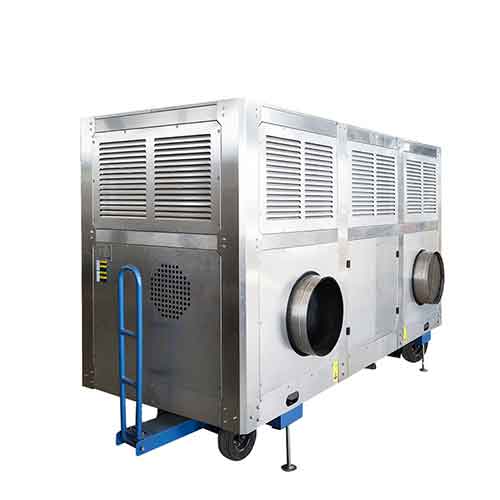
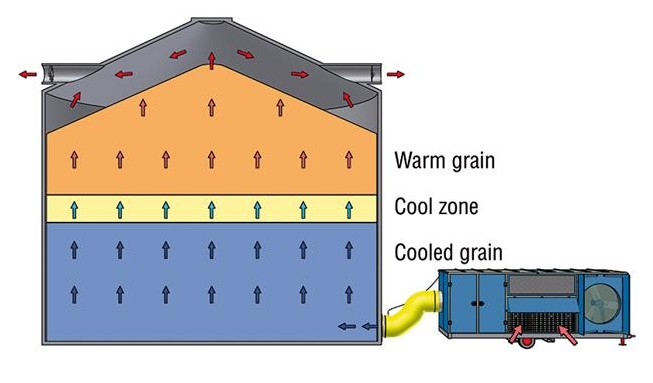
A grain cooler (also known as a grain chiller or grain refrigeration unit) is a specialized HVAC system that conditions ambient air to precise temperature and humidity levels before blowing it through stored grain . Unlike simple aeration fans that rely on favorable weather conditions, grain coolers actively treat the air—cooling it and adjusting its relative humidity—to create optimal storage conditions regardless of outside weather .
These units consist of:
· A refrigeration circuit with compressor and condenser
· Air treatment components (cooling coils, dehumidifiers)
· High-pressure fans capable of pushing air through deep grain beds
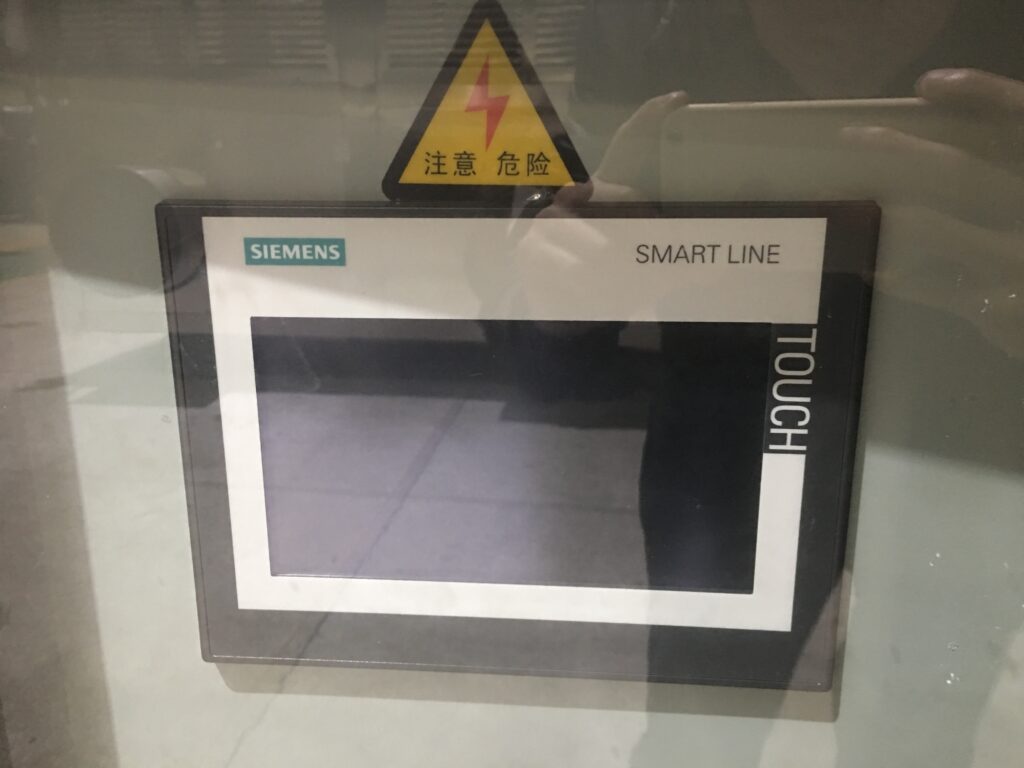
· PLC-based automatic control systems with touchscreen interfaces
· Mobile type unit with wheels
Application:
The cooling system is specially recommended for rice, maize, wheat, barley, soya beans, sunflower seeds, sorghum, cotton seeds, green coffee beans, lucerne pellets, feed pellets etc.
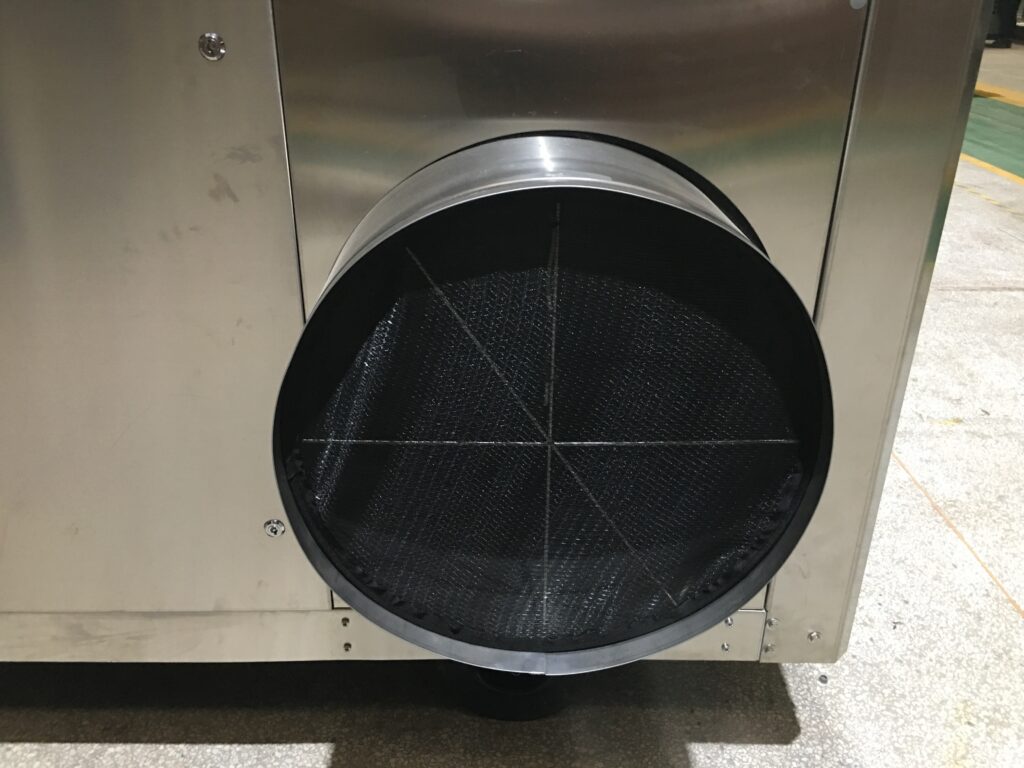
The refrigeration can be used in silos and warehouses. In silos, the cooler air outlet is connected to the existing aeration inlet pipe. The use of the cooling system is usually immediate and no additional works are necessary.
In warehouses, an on-floor or under-floor duct system has to be previously arranged. Our technical department will gladly offer you support.
Key Benefits of Grain Cooling
1. Chemical-Free Preservation
Perhaps the most significant advantage of grain cooling is eliminating chemical fumigants. For organic producers, this is non-negotiable. But even conventional operations benefit from avoiding:
· Pesticide residues in grain destined for sensitive markets (malt houses, baby food)
· Worker exposure to toxic fumigants
· Environmental contamination
· Insect resistance to chemical treatments
2. Reduced Weight Loss
Studies demonstrate that quickly cooled grain suffers at least 1% less weight loss compared to grain stored at ambient temperatures . On a 10,000-tonne storage, this represents 100 tonnes of additional saleable grain—far exceeding the cost of cooling equipment.
3. Extended Storage Time
As illustrated by the storage timer, cooling transforms short-term holding into long-term preservation. This flexibility allows farmers to:
· Wait for favorable market prices rather than selling at harvest
· Supply processors year-round from a single harvest
· Manage logistics across multiple storage facilities
4. Moisture Management
Grain cooling typically removes 0.5% to 2% moisture content from grain during the cooling process . This contributes to safe storage without the energy costs of high-temperature drying. Additionally, cooling eliminates moisture migration and condensation within the grain bulk—common causes of localized spoilage .
5. Quality Retention
Cooled grain maintains its color, aroma, and taste far better than warm-stored grain . For high-value products like malting barley, rice, and oilseeds, this quality preservation directly translates to premium prices.
6. Energy Efficiency
Once grain is cooled, its poor thermal conductivity means it remains cold for 6 to 8 months with minimal additional energy input . The insulation properties of the grain mass itself maintain the cold chain long after the cooler stops running.
Technical parameters
| Model | QGL-45MPC-Z | QGL-60MPC-Z | QGL-75MPC-Z | QGL-90MPC-Z | QGL-120MPC-Z | QGL-150MPC-Z | |
| Nominal condition cooling capcity (kw) | 38 | 59.42 | 68.84 | 89.13 | 103.26 | 140 | |
| Nominal conditions fan capacity (m3/h) | 4000 | 7000 | 9000 | 10000 | 12000 | 14000 | |
| Fan capacity range (m3/h) | 4000~7000 | 5000~10000 | 5000~15000 | 5000~20000 | |||
| Working fluid filling volume (R410A kg) | 9 | 12 | 15 | 28 | 33 | 36 | |
| Power Supply | 380v/50hz/3phase (Customized possible) | ||||||
| Input power (kw) | Compressor | 11.81 | 15.74 | 18.1 | 23.62 | 27.15 | 36.4 |
| Blower | 5.5 | 5.5 | 5.5 | 11 | 11 | 11 | |
| Condencer fan | 0.52×2 | 0.52×3 | 0.52×3 | 0.52×6 | 0.52×6 | 0.52×6 | |
| Total power | 16.35 | 22.8 | 25.16 | 37.74 | 41.27 | 50.52 | |
| Working current(A) | 49.65 | 60.01 | 66.21 | 99.31 | 108.6 | 142 | |
| Wire (mm2) | 16 | 16 | 16 | 25 | 35 | 35 | |
| Air duct diameter(mm) | 500 | 600 | |||||
| Machine unit dimension(mm) | Length | 3800 | 3800 | 3800 | 4000 | 4000 | 4000 |
| width | 1600 | 1600 | 1600 | 1700 | 1700 | 1700 | |
| height | 2300 | 2300 | 2300 | 2450 | 2450 | 2450 | |
| Machine net weight(KG) | 1290 | 1650 | 1820 | 2150 | 2360 | 2780 | |
| Outlet air temperature (deg.c) | 7~18 | ||||||
| Outlet air Humidity (%) | 65~90 | ||||||
| Dehumidication | By heating coil | ||||||
| Blower air pressure (Pa) | 2000 | ||||||
| Controller | Siemens PLC Auto control | ||||||
| Blower | With frequency inverter automatic control air volume | ||||||
| Main Electrical components | Schneider | ||||||
| Standard machine frame | With wheels and handle | ||||||
| Note: Nominal conditions: Inlet air temperature 27, RH 81%, Outlet air temperature 12, RH 75%, Static pressure 980Pa. | |||||||
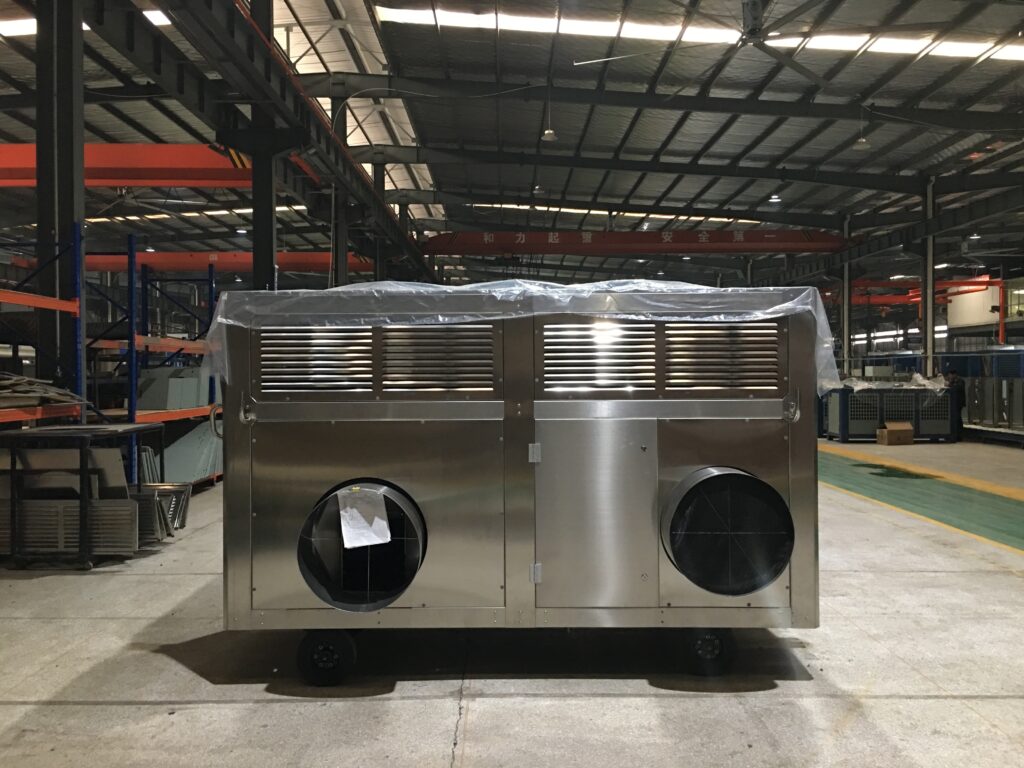
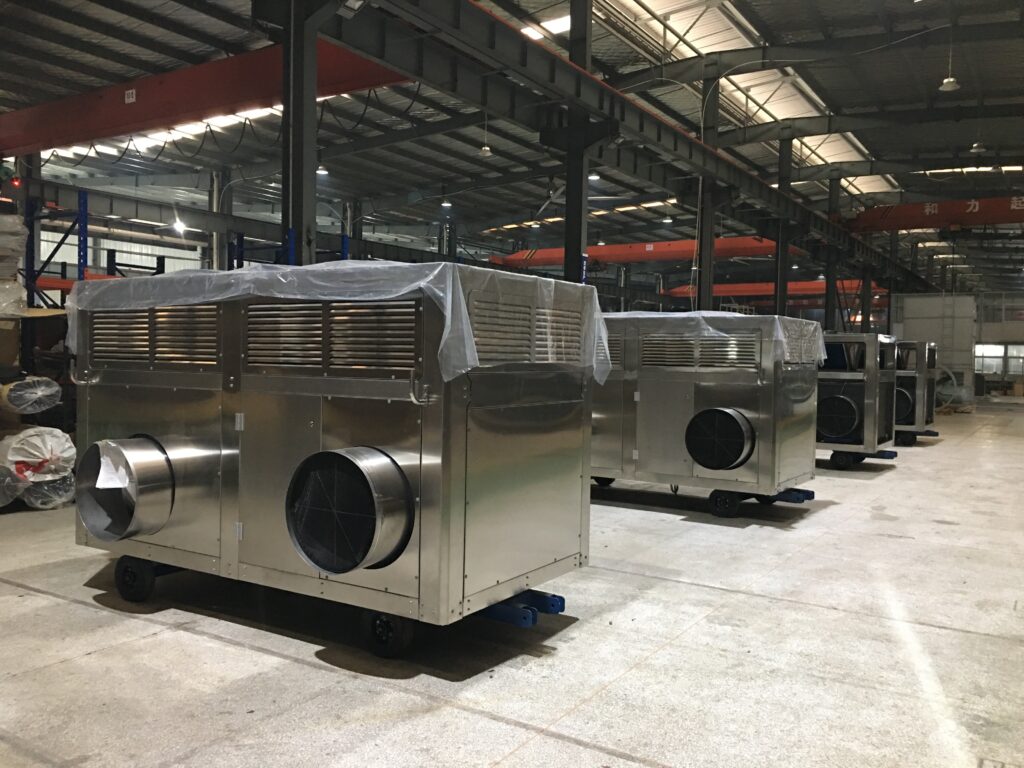
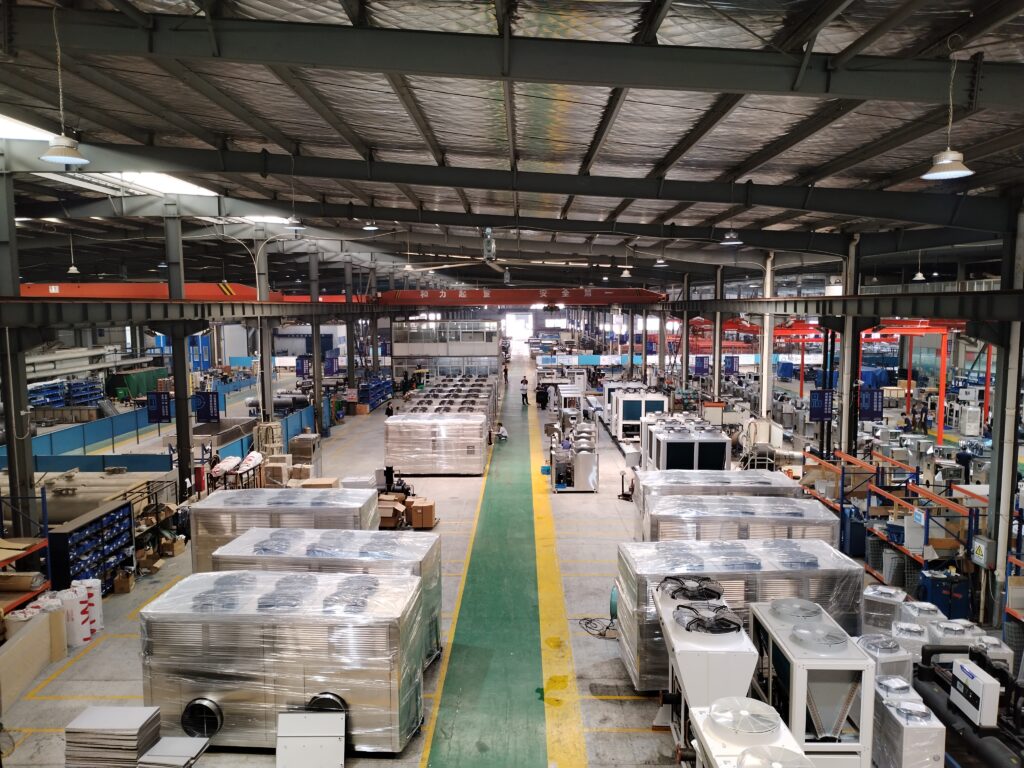
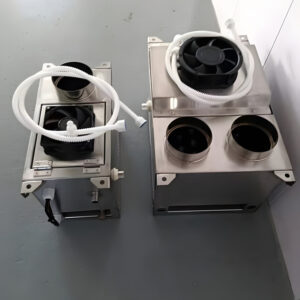
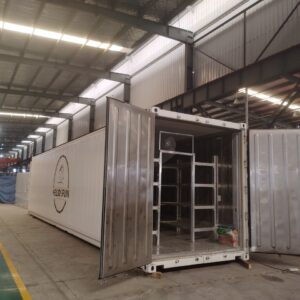
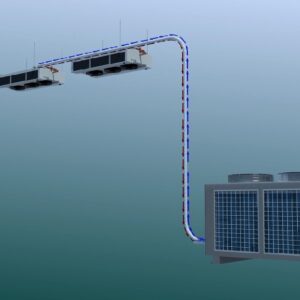
Pictures for reference

FAQ
- What is the total storage capacity (tons) of each silo or warehouse?
- What is the Dimensions and number of silo or warehouse?
- Cooling what product?
- Outdoor climatic conditions?
- Voltage and frequency there?
Reviews
There are no reviews yet.